Mountain Equipment
Technical Apparel

Proper Layering: The Secret to Comfort in Extreme Alpine Conditions
by Alex Popescu
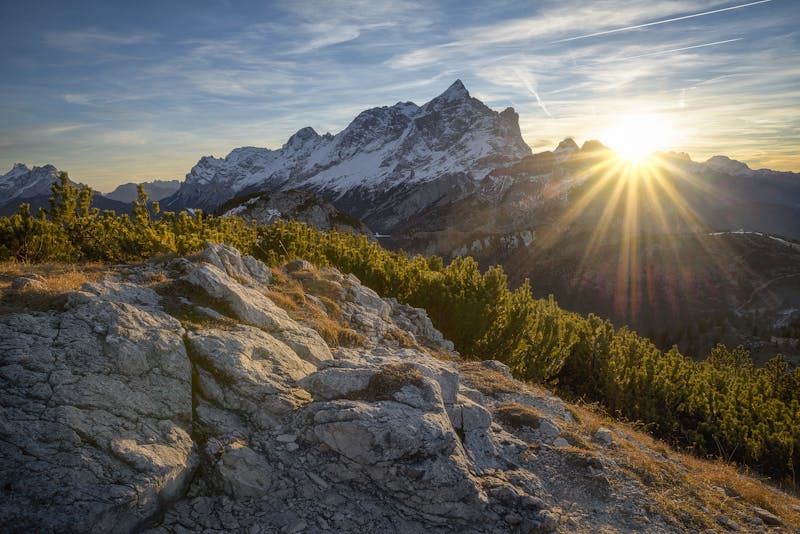
Alpinist on a high mountain, dressed in technical layers, with a mountain landscape in the background

Smart layering is the key to coping with sudden temperature changes.

On alpine expeditions, the weather can change radically within a few hours. The temperature plummets, the wind intensifies, and humidity becomes a constant adversary. In this context, the choice of clothing is not a simple aesthetic preference, but a survival strategy. The principle of layering is the foundation of this strategy.

The Three Essential Layers

The classic 3-layer system remains irreplaceable for long-duration activities in hostile environments.

1. Base Layer (Moisture Management)

This layer sits directly on the skin. High-performance synthetic materials (polypropylene, polyester) or merino wool are essential for transporting sweat away from the body, keeping it dry. Avoid cotton, which absorbs and retains moisture, cooling the body.

2. Insulating Layer (Heat Retention)

Its role is to trap and retain body heat. Choose between lightweight fleeces for active movement or jackets with synthetic fill (Primaloft, Thermore) for rest periods or extreme cold. The thickness is chosen based on the severity of the conditions.

3. Outer Protective Layer (Against the Elements)

A waterproof and breathable jacket (with a Gore-Tex or similar membrane) is non-negotiable. It protects you from wind, rain, and snow, while also allowing sweat vapor to evaporate. Look for sealed seams and quality zippers.

The Golden Rule: Flexibility

The true power of layering lies in modularity. You must be able to add or remove layers quickly, depending on the intensity of the effort and the weather conditions. A well-organized backpack allows for this rapid adaptation.

Close-up detail of technical materials for the base and insulating layers placed on a rock

Investing in quality layering equipment is an investment in safety and comfort. Each layer has a specific role, and together they create a controlled microclimate around the body, allowing you to focus on the landscape and the adventure, not on discomfort.

Frequently Asked Questions about Mountain Equipment

Our experts' answers to the most common questions about choosing and maintaining equipment for alpine expeditions.

How do I choose the right boots for hiking on snowy terrain?

For alpine conditions with snow, we recommend boots with a waterproof and breathable membrane (e.g., Gore-Tex), a Vibram sole with integrated crampons, and high ankle support for stability. Thermal insulation of at least 400g is essential. In our store, you'll find models tested at sub-zero temperatures.

What's the difference between a 60L and an 80L backpack for expeditions?

A 60L backpack is ideal for 2-3 day hikes with minimalist gear. An 80L model is necessary for long expeditions over 4 days, when you're carrying additional thermal clothing, a tent, supplies, and specialized technical equipment. Both should have an adjustable support system and compartments for hydration.

How does layering work with thermal clothing?

The 3-layer system is key: the base layer (thermal, which wicks away moisture), the mid layer (insulation, such as fleece or down, for warmth), and the outer layer (a waterproof and breathable jacket, which protects from wind and precipitation). Each layer should be adjustable and allow for free movement.

Is a compass and topographic map mandatory in the GPS era?

Yes, absolutely. Electronic devices can run out of battery or have no signal in isolated alpine areas. A physical compass and topographic map are essential safety equipment. We recommend always having them on hand and knowing how to use them in conjunction with a GPS.

How do I maintain a thermal jacket after an expedition?

Always clean according to the label. For down-filled jackets, use a special down detergent and dry on low heat with tennis balls in the dryer to restore loft. For waterproof shells, periodically apply a DWR treatment to maintain breathability and waterproofing.

Do you have more specific questions about mountain equipment?

Contact our experts: 0347272834 or info@russianhunts.com

Cookie Policy

This website uses cookies to improve your experience. By continuing to browse, you agree to their use. You can manage your preferences at any time.

RO EN